Empowering Patients: Navigating the Journey of Cancer Treatment and Support
Navigating the waves of cancer can feel like being adrift at sea, pulled by unpredictable currents and facing daunting storms. Yet, in this vast ocean of uncertainty, knowledge and support can be the lighthouse guiding patients and their caregivers toward calmer waters. With every diagnosis comes a tapestry of emotions, from fear and confusion to hope and resilience. As we delve into essential insights about cancer treatment and patient support, consider this: how can we empower ourselves and others on this intricate journey?
In the realm of oncology, understanding the nuances of malignancies—from carcinoma to tumors—can significantly impact treatment decisions. When diagnosed with cancer, one might feel overwhelmed by an array of medical jargon and treatment options, including chemotherapy, radiation therapy, and immunotherapy. It’s crucial to simplify this complexity. What if you approach your oncologist as a partner in your healthcare? Engaging in dialogue about the latest medical research on your specific type of cancer not only enhances your knowledge but allows you to take an active role in your treatment plan. Remember, being informed is empowering.
Patient education significantly contributes to navigating the often murky waters of cancer care. Imagine being equipped with practical tips that could improve your quality of life during treatment: adopting lifestyle changes that boost your wellness, exploring nutritional support options, or joining a cancer support group. Survivor stories can serve as powerful motivators, reminding us that we are not alone in this battle. Reflect on the strength demonstrated by those who have traversed similar paths; their resilience is a beacon of hope.
Early detection and prevention are invaluable tools in fighting cancer. Engaging in routine screenings can unearth potential health risks long before they escalate into serious conditions. But what about palliative care or rehabilitation? These elements are vital, especially for those with advanced-stage malignancies. They focus on enhancing the quality of life, ensuring that emotional and psychological well-being are not overshadowed by physical challenges. With resources such as mindfulness techniques and support systems in place, we can redefine what living with cancer looks like.
Finally, take a moment to recognize that you are more than just a patient in the healthcare system; you are an integral part of a supportive community. Involve friends and family in this journey; let them join you for therapy sessions, share discussions on cancer awareness, and locate clinical trials that may provide additional options. Encourage dialog about mental health and how it intertwines with cancer treatment. Remember, navigating these waves might be challenging, but with the right knowledge and support, it's entirely possible to sail smoothly toward a brighter horizon.
Empowerment Through Knowledge: Unraveling Cancer Treatment Options and Support Systems
The journey through cancer treatment can feel like navigating a labyrinth of uncertainty and fear. Imagine standing in front of a towering wall of information, with every twist and turn leading to new questions and emotional hurdles. If you or a loved one has received a diagnosis of carcinoma or malignancy, understanding the available oncology treatment options and support systems can empower you to take control of this daunting path. Knowledge is a powerful tool in the fight against cancer, and through it, you can transform fear into action and hope.
When it comes to cancer treatment, awareness is everything. The field of oncology is constantly evolving, and with advancements in medical research, patients now have a plethora of options at their disposal. From immunotherapy that boosts the body's immune response to fight tumors, to traditional chemotherapy and radiation therapy designed to target and kill cancer cells, there are numerous pathways to consider. Each option comes with its own set of risks and benefits, making it crucial for patients to engage actively with their oncologist. So, what questions should you be asking? How do you weigh the side effects against the potential for improved quality of life?
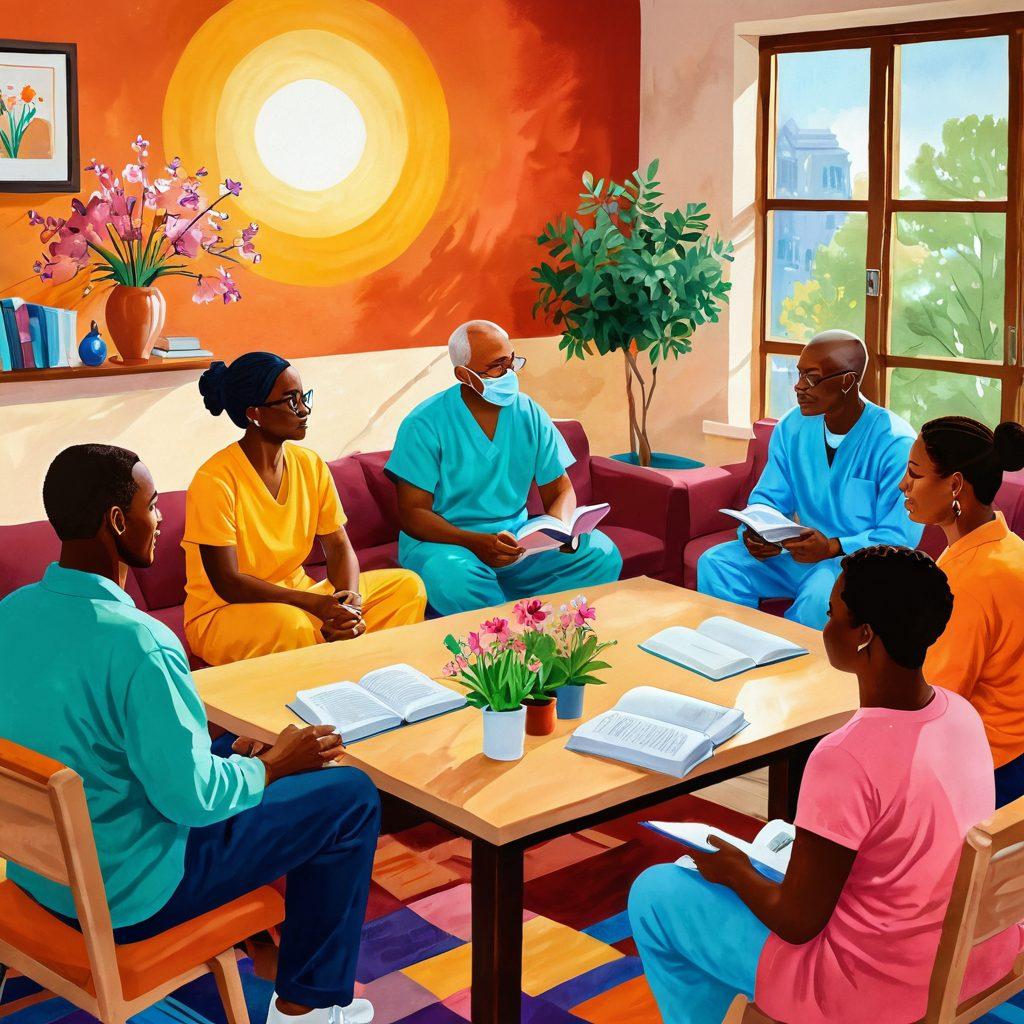
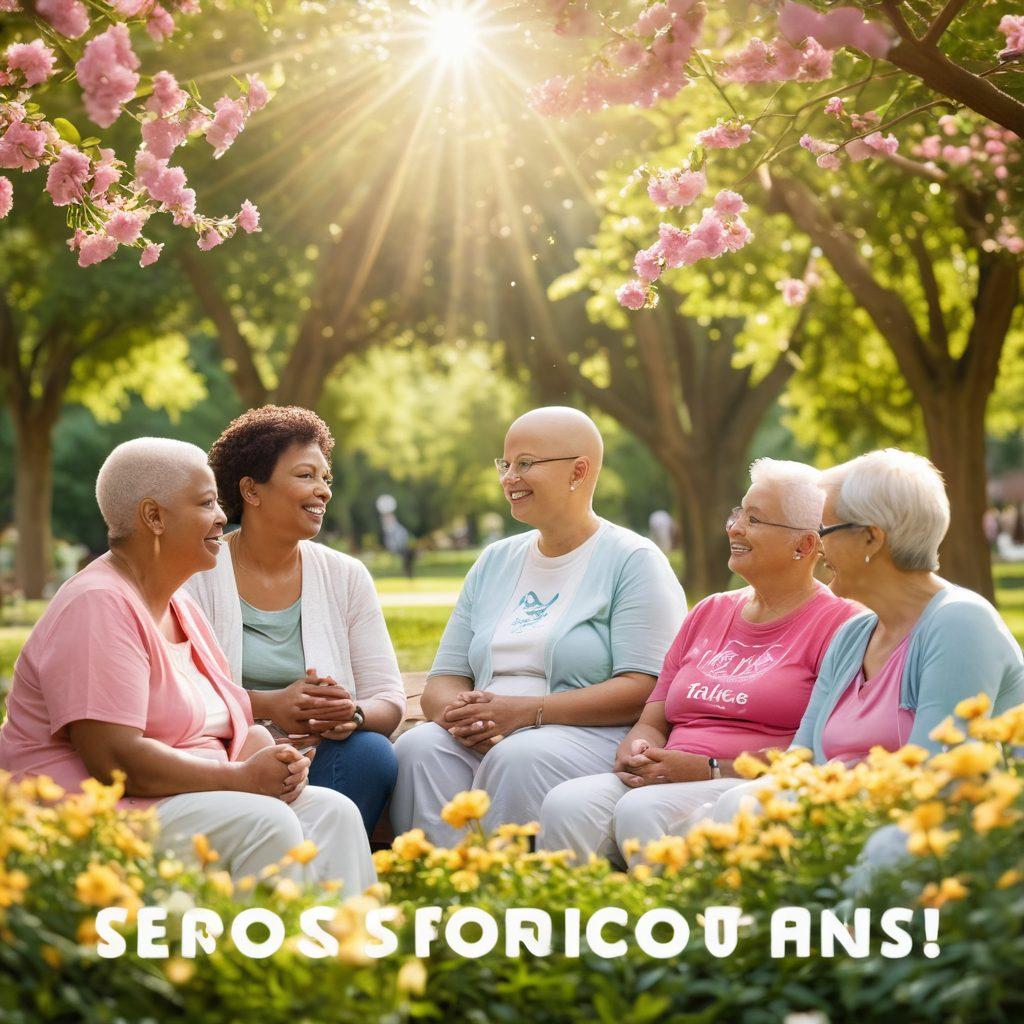
Cancer diagnosis should never be a journey taken alone. This is where the magic of patient support comes into play. Consider joining cancer support groups, where you can swap survivor stories, share insights, and connect with those who truly understand. These spaces offer not just emotional solace, but also practical advice on coping strategies, nutritional support, and rehabilitation practices. After all, wellness isn't solely about medical treatments—it's about nurturing the mind and body through lifestyle changes, mindfulness practices, and community connections. How can you find solace in shared experiences?
Early detection and prevention strategies are vital for improving outcomes for many cancer patients. Regular screenings and assessments allow for the timely discovery of malignancies, which can lead to more effective treatment options and potentially even a cure. Armed with this knowledge, you can take proactive steps in your healthcare journey. Understanding risk factors and making informed lifestyle changes can significantly impact your overall wellbeing. Have you scheduled your next health check-up?
As we navigate the intricate weave of cancer care, it's essential to stay informed and engaged. Palliative care, clinical trials, and patient education play pivotal roles in ensuring that you receive comprehensive support tailored to your unique needs. The emotional toll of a cancer diagnosis is heavy, but when you have the right information, tools, and support systems in place, you can foster resilience and determination. So, ask yourself: how can I empower my journey through understanding? What steps can I take today to ensure that my wellness journey is proactive and fulfilling?
From Diagnosis to Recovery: A Comprehensive Guide to Thriving Beyond Cancer
Navigating the journey of cancer treatment can often feel like sailing uncharted waters. For many, a diagnosis of malignancy, whether it’s carcinoma, a tumor, or another form of cancer, brings a wave of emotions that can be overwhelming. It’s essential to remember that you are not alone in this tumultuous voyage. With the right guidance through oncology, patient support, and a focus on wellness, patients can transform their cancer experience from one of fear to one of empowerment. So, how can we shift our perspective from being mere patients to becoming informed advocates of our own healthcare journey?
The first step in this journey often begins with early detection and diagnosis. It’s a power game where knowledge is indeed enriching. Did you know that understanding the risk factors of cancer can significantly aid in prevention? Engaging in medical research and seeking patient education can provide crucial insights into the type of cancer treatment you might need, from chemotherapy and radiation therapy to newer options like immunotherapy. Remember, each treatment protocol is unique, much like every individual’s story. Familiarizing yourself with these options can make a substantial difference in your cancer care strategy.
As you delve deeper into your treatment, the community around you grows. Cancer support groups and survivor stories, such as those shared in various medical blogs, can be a lifeline. They echo the sentiments of camaraderie, resilience, and hope. Listening to the experiences of others who have walked a similar path can ignite a sense of optimism within you. Who better to speak about the importance of quality of life than those who’ve faced the battle of cancer? Their narratives encapsulate the spirit of thriving beyond cancer, turning struggles into strength.
But what does thriving beyond cancer really mean? It ebbs and flows, forming an intricate relationship with lifestyle changes and nutritional support. Incorporating mindfulness and rehabilitation techniques into your routine can enhance your overall well-being. The anchor during treatment can often be a robust support system—be it friends, family, or professionals. Are you surrounded by individuals who uplift you? Are you practicing self-care amidst the chaos? This is your time to focus on you and the lifestyle choices that contribute positively to your recovery.
Finally, as you emerge from treatment, the journey does not end; rather, it evolves. Palliative care and follow-up check-ups with your oncologist serve as crucial components of your ongoing cancer care. They are not merely about checking for recurrence but also about cultivating a life that prioritizes health and wellness. Consider being part of clinical trials that could pave the way for groundbreaking medical research. The road to recovery might be long, but with the right tools and mindset, you can thrive beyond cancer, turning the page towards a brighter chapter filled with hope and healing.